

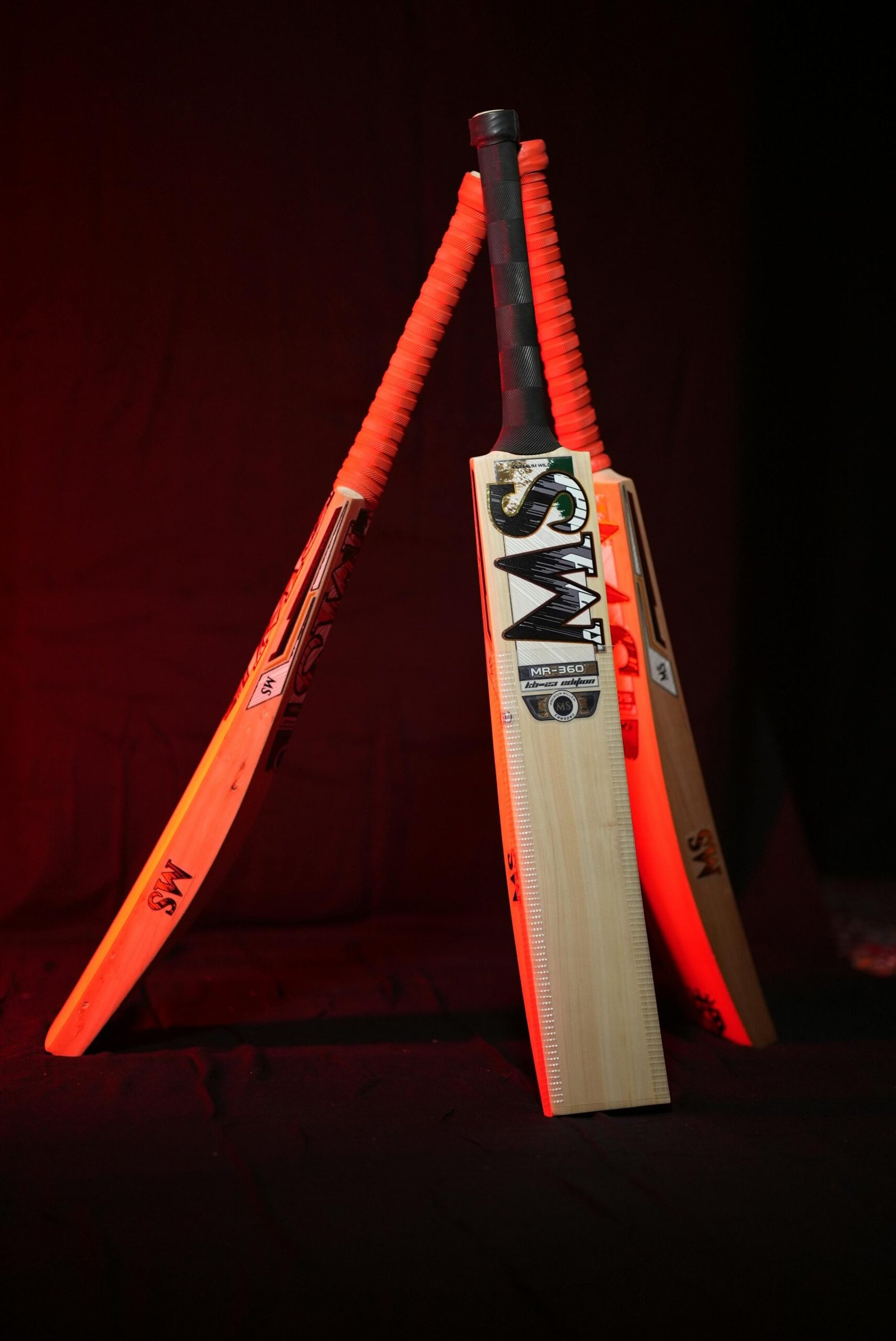
1. Introduction to the Cricket Bat
A cricket bat is not just a piece of wood—it’s a carefully engineered sporting instrument. Designed to strike a leather ball at high speeds, it must balance power, control, and durability.
The right bat enhances:
-
Shot precision
-
Timing and control
-
Power generation
-
Player confidence
Choosing incorrectly can lead to poor performance, fatigue, and even injury.
2. The Evolution of the Cricket Bat
The cricket bat has undergone dramatic changes since the 17th century.
Early Designs
-
Shaped like hockey sticks
-
Heavier and curved
-
Designed for underarm bowling
Modern Advancements
-
Flat-faced design
-
Thicker edges
-
Improved pressing techniques
-
Advanced handle technology
Today’s cricket bat is scientifically crafted to maximize performance while maintaining regulatory standards set by governing bodies.
3. Types of Cricket Bats
Understanding different types helps you match the bat to your playing style.
🔹 Based on Willow Type
-
English Willow Bats
-
Kashmir Willow Bats
🔹 Based on Player Level
-
Beginner bats
-
Intermediate bats
-
Professional-grade bats
🔹 Based on Playing Style
-
Power-hitting bats
-
Control-focused bats
-
All-rounder bats
Each type serves a specific purpose, and the right choice depends on your skill level and budget.
4. Anatomy of a Cricket Bat
Knowing the structure helps you evaluate quality.
Key Components:
-
Handle – Made of cane, provides shock absorption
-
Blade – Main hitting area
-
Spine – Central ridge for power
-
Edges – Thickness influences forgiveness
-
Toe – Bottom part, prone to moisture damage
-
Shoulders – Upper blade area
-
Grip – Rubber covering for better hold
Each component affects balance, power distribution, and comfort.
5. How to Choose the Right Cricket Bat
Selecting the perfect cricket bat involves more than just brand preference.
Consider These Factors:
1. Your Playing Style
-
Aggressive players need thicker edges and a low sweet spot
-
Defensive players benefit from balanced bats with mid sweet spots
2. Playing Conditions
-
Hard pitches: Mid-to-high sweet spot
-
Slow pitches: Lower sweet spot
3. Format of the Game
-
T20: Power-heavy bats
-
Test cricket: Balanced bats for long innings
4. Skill Level
-
Beginners: Affordable, durable options
-
Professionals: Premium English willow bats
6. Weight, Balance & Pick-Up Explained
Many players make the mistake of focusing only on weight.
Weight Range:
-
Lightweight: 2.7 – 2.9 lbs
-
Medium: 2.9 – 2.11 lbs
-
Heavy: 2.11+ lbs
Balance Matters More Than Weight
A well-balanced cricket bat:
-
Feels lighter in hand
-
Allows faster bat speed
-
Reduces fatigue
The “pick-up” sensation is often more important than the scale measurement.
7. English Willow vs. Kashmir Willow
This is one of the most critical buying decisions.
English Willow
-
Grown in the UK
-
Superior grain structure
-
Better performance
-
Lightweight
-
Used by professionals
Kashmir Willow
-
Grown in India
-
Harder wood
-
More durable
-
Budget-friendly
-
Ideal for beginners
Expert Tip: If you play competitive cricket, invest in English willow. For practice or casual play, Kashmir willow is sufficient.
8. Cricket Bat Sizing Guide
Proper size ensures comfort and stroke control.
Junior Sizes:
-
Size 0–2: Ages 4–7
-
Size 3–5: Ages 8–11
-
Size 6–Harrow: Ages 12–15
Adult Sizes:
-
Short Handle (SH) – Most common
-
Long Handle (LH) – For taller players
Quick Sizing Check:
Stand the bat beside you—the handle should reach your hip.
9. Cricket Bat Grains: What They Really Mean
Grains are lines visible on the bat’s face.
Understanding Grains:
-
6–8 straight grains: Balanced performance
-
8–12 grains: Softer feel, better performance
-
Fewer grains: Harder wood, more durability
Important: More grains do not always mean better quality. Straightness and even spacing matter more.
10. Knocking-In & Preparation Process
Never use a new cricket bat without preparation.
Why Knocking-In is Important:
-
Compresses fibers
-
Prevents cracks
-
Extends lifespan
Steps:
-
Light oiling (raw linseed oil)
-
6–8 hours of gradual knocking
-
Edge preparation
-
Net practice with old balls
Skipping this process significantly reduces bat longevity.
11. Maintenance & Care Tips
To maximize lifespan:
-
Store in a dry place
-
Avoid excessive moisture
-
Use toe guard
-
Replace grips regularly
-
Check for cracks early
Seasonal Care:
Reapply light oil at the start of each season.
12. Common Mistakes When Buying a Cricket Bat
Avoid these frequent errors:
-
Choosing based only on brand
-
Ignoring pick-up feel
-
Skipping knocking-in
-
Selecting wrong size
-
Overlooking balance
An informed purchase saves money and improves performance.
13. Custom vs. Ready-Made Cricket Bats
Custom Bats:
-
Tailored weight
-
Custom handle shape
-
Personalized sweet spot
-
Higher cost
Ready-Made Bats:
-
More affordable
-
Widely available
-
Tested specifications
Serious players often prefer custom bats for optimized performance.
14. Expert Buying Checklist
Before finalizing your cricket bat, confirm:
✔ Correct size
✔ Comfortable pick-up
✔ Straight grains
✔ No visible cracks
✔ Balanced weight distribution
✔ Suitable sweet spot
✔ Proper preparation
This checklist ensures you make a confident purchase.
15. Conclusion: Invest Wisely in Your Cricket Bat
A cricket bat is an extension of a player’s skill and mindset. The right bat enhances timing, increases confidence, and supports performance under pressure.
Remember:
-
Focus on balance over raw weight
-
Match the bat to your playing style
-
Invest in quality willow when possible
-
Maintain it properly
Whether you’re playing club cricket, school tournaments, or competitive league matches, choosing the right cricket bat can be the difference between an average innings and a match-winning performance.
Final Thoughts
The perfect cricket bat is not the most expensive one—it’s the one that feels right in your hands, complements your technique, and grows with your game.
Make an informed choice, care for it properly, and let your bat do the talking at the crease.