
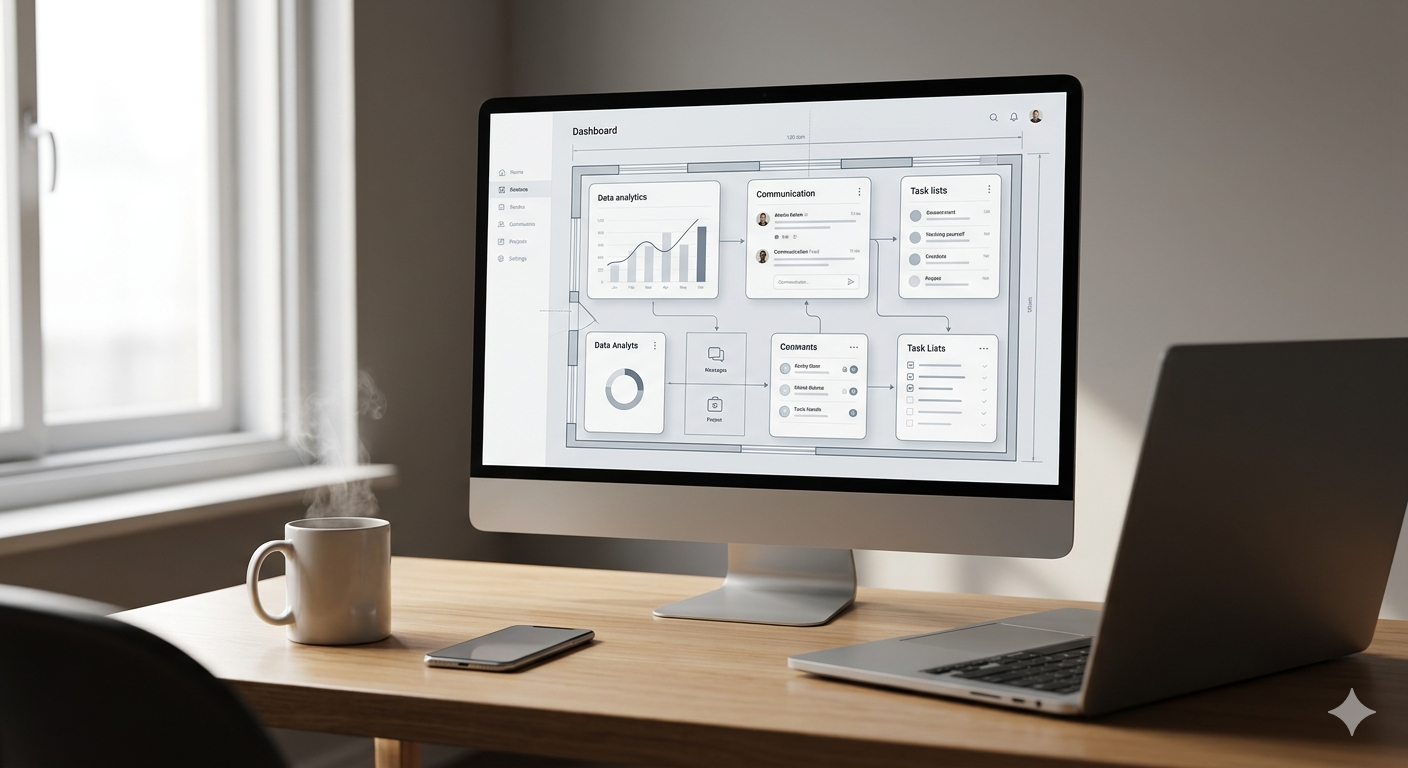
In today’s hyper-connected landscape, both our digital and physical environments often seem designed to pull our attention in every direction. The resulting clutter can create friction, reduce efficiency, and increase cognitive load. However, a significant paradigm shift is occurring, particularly in software development. Many cutting-edge software companies are increasingly embracing the philosophy that less is more, drawing parallels from compact, well-designed living spaces. This trend seeks to provide maximum utility and user benefit through optimized, streamlined interfaces and workflows.
The pursuit of an optimized digital ecosystem, much like the perfect compact living arrangement, is about more than just aesthetics; it is about functioning at your highest capacity. We often see users striving for a better digital experience, searching for software that will give them the equivalent of a simplified life, often using conceptual searches similar to the interest generated by efficient residential plans such as good life hou714. These searches, whether related to architecture or modern digital tools, highlight a collective desire for functionality that maximizes output in minimal space, or in the case of software, within minimal interface complexity. Let’s explore how modern software embodies these principles of efficient, optimized space management.
Translating Physical Efficiency to Digital Usability
The core idea of a compact, optimal living space, such as a well-planned 2-bedroom home on a small urban plot, is to provide all essential functions without wasting a single square inch. The user journey is streamlined, and resources are concentrated where they matter most. Modern software architecture increasingly follows this same trajectory.
Optimized Modules as Functional Rooms
A well-designed piece of software often functions much like a compact house plan, breaking down complex processes into clearly defined, integrated modules. Each module has a specific purpose and connects seamlessly to the others. In a project management platform, for instance, you might have separate but connected “rooms” for project tracking, resource allocation, time reporting, and analytics. Instead of cluttered menus with overlapping functions, modern designs prioritize intuitive pathways, guiding users through their tasks with minimal effort. This modular approach allows for better focused work within distinct areas while maintaining overall coherence.
For individuals seeking specialized resources and insights into various industries, finding the right digital platform can make all the difference. Platforms like [https://xfollow.co.uk/](https://xfollow.co.uk/) exemplify how digital tools can aggregate essential information in an organized manner, helping users navigate complex data efficiently.
Open-Concept Interfaces and Streamlined Flow
Just as open-concept living and dining areas create a sense of spaciousness and facilitate interaction in small homes, modern software prioritizes seamless transitions and unified dashboards. Features are integrated rather than siloed, allowing for data to flow effortlessly between different parts of the application. An intuitive dashboard can provide a centralized view of all key activities, giving users a clear overview without overwhelming them with unnecessary detail at every step. This reduces the number of clicks and steps required to complete common actions, thereby enhancing overall efficiency.
The Role of Mobile-First Design in Compact Functionality
The concept of maximizing utility within a restricted space is perhaps most evident in the mobile-first approach to web and software development. Screens are significantly smaller, and user attention spans are even more compressed. This pushes designers to prioritize essential features and functionality, much like designing for the small, efficient footprint of a popular single-floor house plan. Every icon, menu item, and button must justify its place on the screen. The discipline required for effective mobile design has, in turn, heavily influenced desktop and web applications, leading to cleaner, more focused user experiences across all devices. This optimization is crucial in an era where cross-platform compatibility and responsiveness are paramount.
Key Takeaways for Digital Optimisation
Modern software increasingly mirrors the efficiency of compact architectural design, focusing on optimized user interfaces.
Integrated, open-concept digital workflows reduce cognitive load and streamline user execution times.
The mobile-first design philosophy exemplifies maximizing functionality within a limited spatial footprint.
The Benefits of Digital Clutter Reduction
The drive towards minimalist and efficient software design isn’t merely about visual simplicity. The benefits of optimized digital environments are substantial, affecting productivity, mental clarity, and user satisfaction. Research in human-computer interaction constantly emphasizes the advantages of reducing unnecessary elements. Organizations like the Nielsen Norman Group, a leader in evidence-based user experience research, often discuss how decluttering interfaces and focusing on user intent leads to higher task success rates.
Increased Focus and Productivity
When software presents only what is needed, users can maintain focus on their primary tasks. By minimizing distractions and redundant options, applications help create a state of ‘flow’, allowing users to complete work more quickly and accurately. This approach, similar to living in a streamlined space, frees up mental and actual time.
For an illustration of how optimized platforms can present complex data compactly, one might look at how movie databases and analysis tools have evolved to display vast amounts of information. For instance, exploring [https://xfollow.co.uk/arnold-swansinger-movies/](https://xfollow.co.uk/arnold-swansinger-movies/) demonstrates how digital resources can offer a structured, comprehensive view within a narrow, optimized domain.
Reduced Learning Curves and Improved Adoption
Intuitive, well-organized applications are easier for new users to learn and master. When a software program follows logical structures and prioritizes common actions, users can quickly understand its capabilities and start being productive. This reduces the time and cost associated with training and onboarding, making the software more attractive to businesses and individual users alike.
For deeper insights into how design thinking and user-centric approaches shape modern business, fastcompany.com regularly features articles on the intersection of design, technology, and productivity.
The Future: AI-Driven Digital Spacial Optimisation
Looking ahead, artificial intelligence will play a critical role in further optimizing software design. AI algorithms can analyze user behavior in real-time and dynamically adjust interfaces to match individual preferences and usage patterns. This level of personalization, akin to having an automated, responsive home, will make software even more compact and functional for each specific user. Features that are rarely used can be hidden or de-prioritized, while essential tools are automatically placed within easy reach. This hyper-personalization is the next logical step in the evolution of efficient digital spaces.
Community-Driven Innovations and Trend Monitoring
The desire for optimized living and working environments is a widespread sentiment, and community-driven platforms provide valuable insights into emerging trends. While video resources and visual inspiration, mentioned by some as helpful for visualizing efficient house designs, offer great visualization, the software world benefits from real-time usage data and user feedback. Developers are continuously monitoring which features are popular and how users interact with their applications. This iterative process, much like refined floor planning over time, results in software that is increasingly efficient, responsive, and tailored to meet the evolving needs of modern digital citizens.
Conclusion
Modern software is undergoing a transformation, prioritizing efficiency, usability, and a reduced digital footprint. Much like well-designed compact living spaces maximize every inch for comfort and function, today’s applications maximize every pixel and workflow for user benefit. By embracing modular designs, integrated workflows, and mobile-first principles, developers create tools that enhance focus, boost productivity, and improve user satisfaction. As we continue to navigate a complex digital landscape, the trend towards digital optimization remains essential for a streamlined and effective work-life balance.
Frequently Asked Questions
-
How does optimized software improve productivity? Optimized software improves productivity by minimizing distractions, reducing the steps required to complete tasks, and providing intuitive interfaces that help users maintain focus, ultimately leading to faster and more accurate work.
-
Can small teams benefit from these types of efficient tools? Yes, small teams can significantly benefit as optimized software often combines multiple functions into integrated platforms, reducing the need for managing numerous separate applications and streamlining communication and workflows.
-
Is integrated software always better than specialized tools? Not necessarily. While integrated software offers seamless workflows, highly specialized “best-of-breed” tools can sometimes provide superior depth in specific functions. The ideal choice depends on the specific needs and priorities of the user or organization.
-
Are user interfaces becoming too simple, reducing capability? When done correctly, simplicity in user interface design focuses on revealing the right information and options at the right time. Progressive disclosure and personalization ensure that advanced features remain accessible without cluttering the main workspace for average users.
-
How is personalization maintained in compact software designs? Modern software balances compact design with personalization by offering customizable dashboards, user-specific profiles, modular extensions, and adaptive interfaces driven by AI that learn user habits and adjust feature prominence accordingly.